.png)
Does your Cervix Dilation matter before active labor?
- WombMother Brittney

- Nov 24, 2018
- 3 min read
Updated: Aug 27, 2019
As many reach the end of pregnancy, we start to wonder if we are dilating yet, but is it really something you need to stress about before active labor in a low risk healthy pregnancy?
Read more here on WombMother Brittney's blog and find these answers.
Although there are reasons why a vaginal examination might be necessary during pregnancy, it’s still an intervention, and every pregnant person should know the risks and benefits before having one.
Medical Reasons For a Pelvic Exam During Pregnancy ▪History of infertility ▪Gynaecological problems ▪Painful intercourse ▪Suspicion of cervical problems, such as scarring or premature labour ▪The need to check how favourable cervix is, if induction is needed. ▪Progression of labor
Full Cervical Dilation occurs in the last phase of active labor before you deliver your baby earthside.
Getting early cervical exams in a healthy pregnancy for *reassurance* before/during 41 weeks or onset active labor can pose risk to your body, your baby and your mental health, as the cervical dilation is not a definitive signifer of active labor nor a realistic time frame indicator.
The risks of early pelvic exams are: ▪Pre-ruptured membranes ▪Risk of infection ▪Lack of reassurance
Although the care provider is using a sterile glove, there’s a chance of bacteria from the vagina being pushed up into the cervix. This increases the risk of infection of the membranes of the amniotic sac, which is a serious complication.
There’s also the risk of stimulating the cervix and rupturing the membranes (PROM). If you are not due, or your baby is not ready to be born, this can lead to more interventions during labour, such as augmentation of contractions, continuous fetal monitoring, induction, or even c-section.
There are also psychological aspects of pelvic exams. Many women who are told they are so many centimetres dilated, with a soft, ripe cervix, expect to go into labour immediately. Yet days pass and they’re still pregnant. This expectancy and disappointment can lead them to give consent to, or request, an induction.
Your cervix can be open 1-5+cm for weeks prior to active labor especially if this is not your first pregnancy- this is a variation of normal.
How does the cervical dilational and effacement process work?

Your cervix is closed and plugged with mucus, to keep out infection. Your cervix is long and firm, giving a strong base to your womb, and in a position that points slightly towards your back (posterior position)


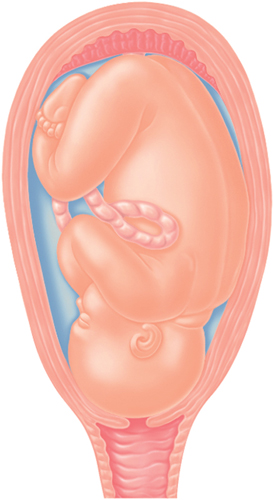
Leading up to the Birthing day...
First your cervix has to move from a posterior position to an anterior position, so that it's pointing more towards your front
The effacement that takes place above the cervix opening must happen: also called cervical thinning/ripening which is often viewed from the outside of the womb as *Baby dropping* in the last few months or weeks of pregnancy, you may also notice a Bloody Show as your body gears up for the big day- this telltale sign of impending labor occurs when the thick plug of mucus that seals off your cervix and prevents bacteria from entering the uterus during pregnancy gives way.

As baby prepares to descend down through the dilating cervix and open pelvis, the thinning of the cervix must take place or baby cannot be born vaginally, as they are not engaged through the birth canal, they are above it in this stage.
What to do if you wish to avoid cervical exams?
You can tell your doctor: "I Demand and consent to No Cervical checks, because my dilation is not a concern in this phase of my pregnancy, I am holding space for effacement with active labor and then dilation as the natural process occurs in the following days or weeks of my experience, eliminating the risk of inserting foreign Bacteria into my vagina & preventing preruptured membranes."


Comments